

Water heaters fail quietly most of the time. You shower one morning and the water’s lukewarm instead of hot. You notice a small leak under the tank. You hear popping sounds coming from the utility room. By the time most homeowners call, the problem has been building for weeks. In Sonoma’s historic downtown homes, older Spanish-style architecture, and wine-country properties where humidity swings widely, water heaters work hard and wear down predictably. Over 40 years serving Sonoma and the broader valley, we’ve learned to recognize these warning signs and fix them before they become expensive emergencies. Let’s walk through what we see most often and how we fix it.
Common Signs Your Water Heater Needs Repair
Your water heater talks to you if you know what to listen for.
Inconsistent hot water is the most common complaint. One minute your shower is comfortably warm, the next it’s scalding or cold. That’s usually a thermostat that’s lost its calibration or a heating element failing partway through its job. We’ve seen this in hundreds of Sonoma homes where mineral buildup has fouled the temperature sensor.
Noise from the tank means something’s happening inside. A low rumbling or popping sound is sediment settling and being reheated. The noise might sound dramatic, but it’s manageable with a tank flush. A loud banging or cracking sound is more serious. That can indicate a failing heating element or internal corrosion.
Leaks around the base or from connections need immediate attention. A small drip can seem trivial, but it’s a sign that something inside is failing or a connection is loosening. Water damage spreads quietly. What starts as a wet floor becomes foundation concerns or mold.
Discolored water from your hot taps is rust or sediment from inside the tank. This is both a water-quality problem and a sign the tank’s interior is deteriorating.
Age is a factor. If your water heater is 10 to 15 years old, it’s in the later part of its useful life. Even if it’s working now, plan for replacement soon. When you’re working with a system that old in Sonoma’s variable climate, failures come suddenly.
Gas smell or rotten-egg odor from the unit itself or from your hot water is a red flag. This can indicate a bacterial issue or a failing heating element. If you smell gas, turn off the unit and call immediately.
Professional water heater replacement and installation ensures your system is right-sized and operating safely for your home’s needs.
How Temperature Fluctuations Indicate Issues
Temperature swings in your shower are more than annoying. They’re a diagnostic signal.
Your thermostat should hold a set temperature inside the tank. When it drifts, your heater can’t maintain consistent hot water. The culprit is usually a faulty thermostat, especially in older systems. The sensor stops reading accurately. You get scalding water when the heating element fires too long, then cold water when it shuts off too early.
Another common cause is sediment buildup on the heating element. In Sonoma’s hard-water areas, minerals accumulate. The element heats sediment instead of making contact with water. Efficiency drops. Temperature control becomes erratic.
A third possibility is a mixing valve that’s worn out. If your home has a thermostatic mixing valve that’s supposed to blend hot and cold water to a safe temperature, and it’s aged, it can stick or drift out of calibration.
We resolve this through inspection and testing. We check the thermostat’s reading against actual tank temperature. We look at sediment levels when we open the tank. We assess the mixing valve. Once we know the cause, the fix is usually straightforward, whether that’s adjusting the thermostat, flushing the tank, or replacing a component.
Tankless water heater maintenance is also an option if you’re tired of tank-based temperature swings and want on-demand, consistent hot water.
What Causes No Hot Water and How to Fix It
When you turn on the tap and nothing but cold water comes out, your first question is why.
Check the thermostat setting. If your tank is set to 80 degrees, that’s the problem. Ideal water heater temperature is 120 degrees. Too low and you’ll get lukewarm water or no hot water at all.
Check the power supply. For electric water heaters, verify the circuit breaker hasn’t tripped. For gas heaters, ensure the pilot light is lit. If it’s out, relight it according to your unit’s instructions. If it won’t stay lit, there’s a deeper issue and you need a professional.
Check the gas supply. If you have a gas heater and there’s no pilot light, first make sure the gas valve is on. If it is and the pilot won’t light, the thermocouple or ignition system needs attention.
Flush the tank. Sediment buildup can cover the heating element, making it ineffective. Draining and flushing the tank clears the sediment and restores heat transfer.
Test the heating element. If your heater is electric and none of the above apply, the element itself may have failed. This requires professional testing and replacement.
In many cases, no hot water is fixable quickly. In some cases, it’s a sign the system is near the end of its life. Timely repairs stop small problems from becoming full replacements.
Why Is Your Water Heater Leaking and What to Do
A leak is your water heater’s distress call.
Common sources are the temperature and pressure relief valve at the top of the tank, loose plumbing connections, or corrosion in the tank itself.
The T and P relief valve is designed to release pressure if the tank gets too hot or pressure builds up dangerously. If it’s leaking, the valve might just need tightening. If tightening doesn’t work, it likely needs replacement. That’s a simple job.
Loose connections at the cold-water inlet or hot-water outlet are also simple fixes. We tighten the fitting or replace it if the connection is worn.
Corrosion inside the tank is more serious. If the interior lining is deteriorating, the leak will spread. The tank will eventually fail. Replacement is the remedy.
In any case, don’t ignore a leak. Even a slow drip accumulates to gallons of water waste and potential damage to your home’s foundation or flooring. If you catch it early, the fix is usually affordable. If you wait, water damage costs much more.
Additionally, a hot water recirculation system can reduce wait times for hot water at your taps, meaning less water wasted while you wait for the heater to deliver.
Maintenance Tips to Prevent Water Heater Problems
Preventing problems is far cheaper than fixing them.
Check the temperature. Set your water heater to 120 degrees. It’s hot enough for cleaning and safety, but it won’t scald and will save energy.
Flush the tank annually. Drain several gallons from the drain valve at the bottom of the tank to remove sediment. Sediment reduces efficiency and causes the problems we’ve discussed. This takes 30 minutes and is the most valuable thing you can do.
Inspect the pressure relief valve. Once a year, ensure it’s not leaking and responds to testing. If you’re unsure how, have a professional do it.
Check the anode rod. Every few years, a professional should inspect the sacrificial anode rod. If it’s mostly corroded, replacing it extends the tank’s life significantly.
Keep the area clear. Make sure the space around your water heater allows airflow and has room for inspection. Good ventilation prevents overheating and makes maintenance easier.
Professional inspection. Once every 2 to 3 years, have us come take a look. We can spot problems early and recommend maintenance before failure.
These steps don’t take much time or money, but they extend your water heater’s life by years. In a historic Sonoma home where you want systems to work reliably, they’re worth the effort.
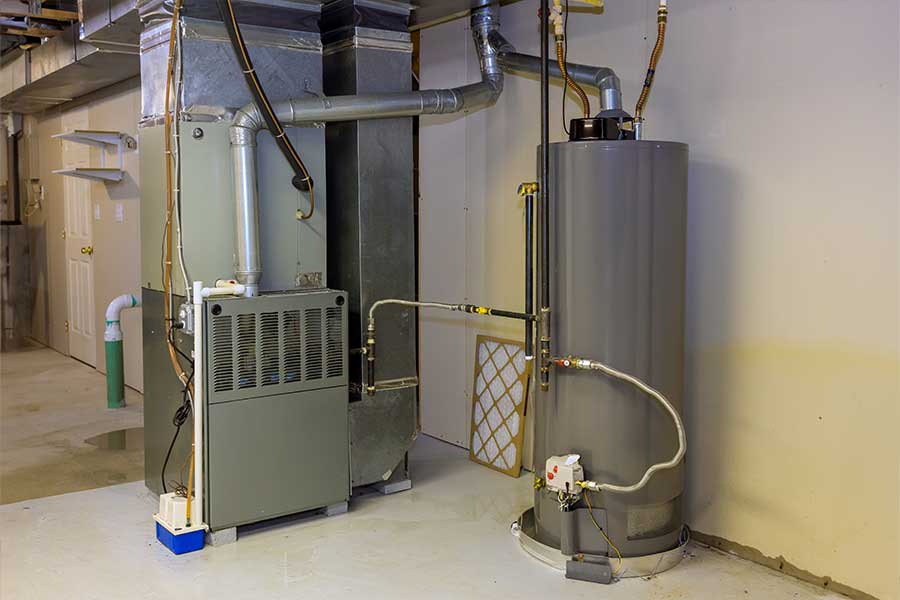
Keeping Your Home’s Hot Water Reliable
A functioning water heater is something you notice only when it fails. The goal is to keep it working quietly for as long as possible.
If you’ve noticed any of the signs we’ve described, or your water heater is getting older and you want a professional opinion, request a free estimate from our team. We’ll assess the system, discuss your options, and help you decide whether repair or replacement makes sense for your Sonoma home. With 40+ years in this community, we know how to keep your hot water flowing and your home comfortable.